 Opening Hours : Sunday - Friday, 8:00am - 5:00pm


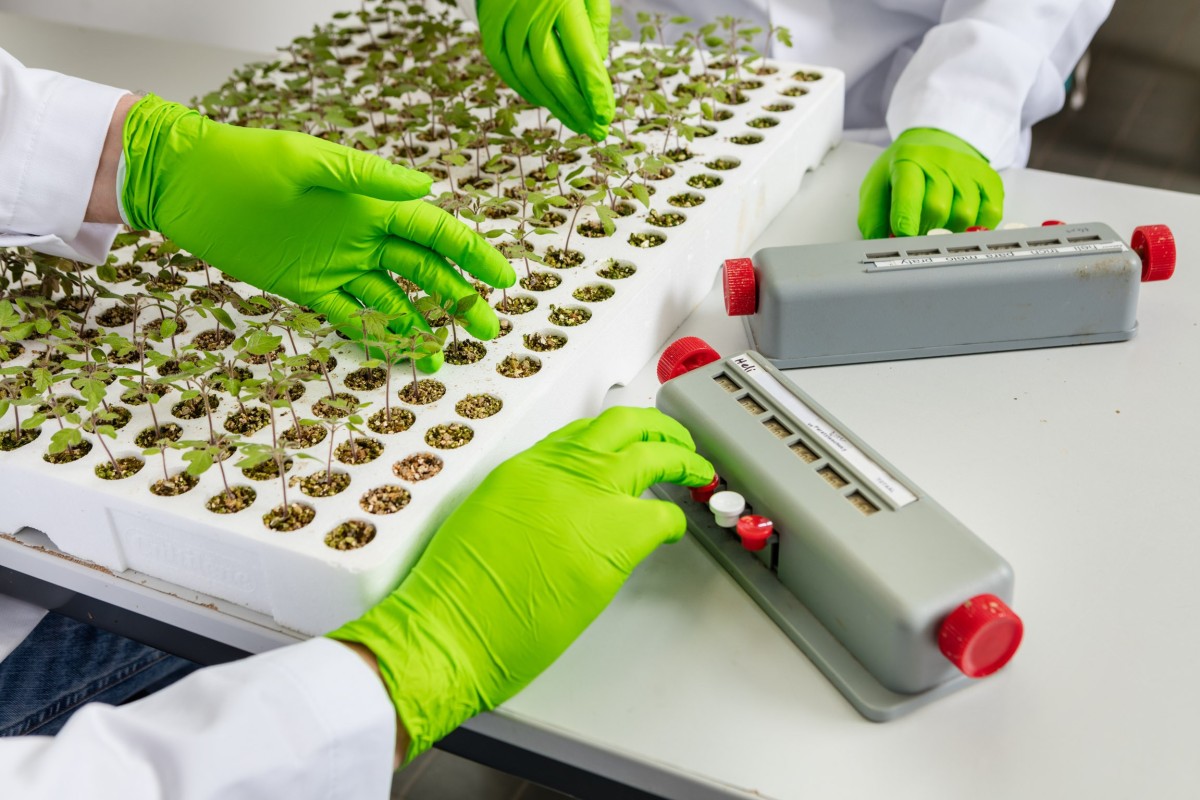
Behind the scenes of Uganda’s most rigorous seed testing program – how we ensure every variety performs before reaching your farm
At 5:30 AM on a Tuesday morning in Mukono, Dr. Sarah Kisakye pulls on her field boots and heads out to check plot number 47—a promising new bell pepper variety from the Netherlands that’s been growing under Ugandan conditions for 85 days. She carries a tablet loaded with data from 15 different locations across Uganda, each telling part of the story of whether this variety deserves a place in Ugandan growers’ fields.
This daily ritual represents just one small part of House of Seeds’ comprehensive testing program—a rigorous scientific process that ensures no variety reaches growers without proving itself under real Ugandan conditions. While other companies might import and sell seeds based solely on overseas performance, we believe Ugandan growers deserve better: varieties tested, proven, and perfected for local success.
But why is this testing so critical? And what exactly goes into ensuring that every seed packet we sell contains genetics that will perform in your specific conditions? Welcome to the fascinating world of agricultural science that happens behind every successful harvest.
The Science of Certainty
Why Universal Testing Matters
Every region has unique characteristics that affect crop performance. A tomato variety that excels in the Netherlands’ cool, controlled conditions might completely fail under Uganda’s intense equatorial sun. Conversely, varieties that thrive in Kenya’s highland conditions might struggle in Uganda’s more humid lowlands.
Uganda’s Unique Agricultural Profile:
- Equatorial Climate: Consistent 12-hour days year-round
- Altitude Variation: 1,100m to 2,100m above sea level
- Bimodal Rainfall: Two distinct wet seasons annually
- Temperature Range: 15°C to 35°C with minimal seasonal variation
- Soil Diversity: From volcanic highlands to sandy lake shores
- Pest Pressure: Year-round tropical pest and disease challenges
No amount of laboratory analysis can predict how varieties will respond to this complex combination of factors. Only rigorous field testing under actual growing conditions provides the certainty growers need.
The Cost of Getting It Wrong
When seed companies skip comprehensive testing, growers pay the price.
Real Examples from Uganda’s Agriculture:
- 2019 Maize Crisis: Imported varieties performed poorly in local conditions, causing widespread crop failures
- 2020 Bean Disasters: Untested varieties susceptible to local disease strains devastated harvests
- 2021 Tomato Failures: Heat-sensitive varieties collapsed during dry season production
These failures cost Ugandan growers hundreds of millions of shillings and taught the industry a critical lesson: testing isn’t optional—it’s essential.
House of Seeds Testing Protocol: The Gold Standard
Phase 1: Initial Screening (Year 1)
Every potential variety begins its journey in our primary screening trials across five agro-ecological zones.
Testing Locations:
- Central Region: Mukono (1,200m altitude, moderate rainfall)
- Eastern Region: Jinja (1,100m altitude, high humidity)
- Western Region: Mbarara (1,400m altitude, longer dry seasons)
- Northern Region: Gulu (1,100m altitude, single rainy season)
- Highland Sites: Kabale (2,000m altitude, cool temperatures)
Phase 1 Evaluation Criteria:
- Germination Performance: Under varied soil and moisture conditions
- Early Growth Vigor: Seedling establishment and early development
- Disease Susceptibility: Response to common local pathogens
- Climate Adaptation: Performance across temperature and rainfall variations
- Basic Yield Potential: Preliminary productivity assessment
Selection Standard: Only varieties performing in the top 25% across all locations advance to Phase 2.
Real Numbers – 2023 Tomato Screening:
- Varieties Tested: 47 new introductions
- Test Plots: 235 individual trials
- Data Points Collected: Over 18,000 measurements
- Varieties Advanced: 12 (25% success rate)
Phase 2: Comprehensive Evaluation (Year 2)
Surviving varieties enter intensive testing across 15 locations with farmer cooperators.
Expanded Testing Network:
- Research Stations: 5 controlled environment sites
- Farmer Fields: 10 commercial production environments
- Diverse Conditions: Irrigated, rainfed, greenhouse, and open field
- Management Systems: Intensive, moderate, and minimal input scenarios
Phase 2 Measurements:
- Yield Performance: Detailed harvest data across multiple seasons
- Quality Parameters: Size, color, taste, storage life, market acceptance
- Disease Resistance: Exposure to natural disease pressure plus inoculation trials
- Input Efficiency: Response to fertilizers, water, and other inputs
- Economic Viability: Cost-benefit analysis for different farm sizes
Case Study – Bell Pepper Evaluation: ‘Soprano F1’ pepper variety underwent 24 months of testing:
- 15 Test Sites: From Kampala to Arua
- 8 Growing Seasons: Covering all climate variations
- 120 Farmer Evaluators: Providing real-world feedback
- 2,400 Data Points: Comprehensive performance documentation
Results:
- Average Yield: 32 tons/hectare (140% above local varieties)
- Disease Resistance: 95% resistance to bacterial spot
- Market Acceptance: 92% Grade A fruits
- Farmer Satisfaction: 87% would plant again
- Recommendation: Approved for commercial release
Phase 3: Commercial Validation (Year 3)
Before full market launch, varieties undergo final validation in commercial-scale demonstrations.
Large-Scale Demonstrations:
- Plot Size: Minimum 0.5 hectares per location
- Commercial Practices: Real farm conditions, not research station environments
- Economic Analysis: Complete cost-benefit evaluation
- Market Testing: Buyer feedback and price evaluation
- Farmer Training: Development of cultivation guidelines
Documentation Process:
- Performance Standards: Detailed yield and quality benchmarks
- Growing Guidelines: Season-specific cultivation recommendations
- Problem Solutions: Identified challenges and mitigation strategies
- Market Positioning: Optimal market channels and timing
Multi-Location Testing: Understanding Uganda’s Diversity
Regional Adaptation Trials
Uganda’s agricultural diversity means varieties must be tested across multiple environments to understand their full potential.
Central Region Testing – Mukono Site:
- Climate: Moderate temperatures, reliable rainfall
- Challenges: High disease pressure, urban market demands
- Focus Crops: Leafy vegetables, herbs, high-value crops
- Key Measurements: Quality parameters, pest resistance, continuous harvest potential
Example Results – Lettuce Trials: ‘Rex F1’ Romaine lettuce performance:
- Yield: 25 tons/hectare
- Quality: 95% uniform heads, excellent color
- Disease Resistance: No bacterial soft rot incidents
- Market Response: Premium pricing achieved
- Season Performance: Consistent across wet and dry seasons
Eastern Region Testing – Jinja Site:
- Climate: High humidity, consistent temperatures
- Challenges: Fungal diseases, transport to markets
- Focus Crops: Root vegetables, storage crops, processing varieties
- Key Measurements: Storage life, disease tolerance, transport quality
Example Results – Carrot Trials: ‘Nandor F1’ carrot evaluation:
- Yield: 45 tons/hectare
- Quality: Uniform size, excellent color retention
- Storage: 6-week storage without quality loss
- Processing: High juice content, low fiber
- Disease Performance: Excellent cavity spot resistance
Western Region Testing – Mbarara Site:
- Climate: Longer dry seasons, temperature variations
- Challenges: Water stress, altitude effects
- Focus Crops: Drought-tolerant varieties, highland adaptations
- Key Measurements: Water use efficiency, stress tolerance, altitude adaptation
Northern Region Testing – Gulu Site:
- Climate: Single rainy season, temperature extremes
- Challenges: Water scarcity, short growing windows
- Focus Crops: Fast-maturing varieties, heat tolerance
- Key Measurements: Days to harvest, heat stress response, water efficiency
Microclimate Evaluation
Within each region, we test varieties across different microclimates to understand their full adaptation range.
Altitude Testing:
- 1,100-1,300m: Lake shore conditions, high humidity
- 1,300-1,600m: Mid-altitude, moderate conditions
- 1,600-2,000m: Highland conditions, cooler temperatures
- 2,000m+: High altitude, significant temperature variation
Soil Type Testing:
- Sandy Soils: Quick drainage, low fertility retention
- Clay Soils: Water retention, potential drainage issues
- Volcanic Soils: High fertility, excellent structure
- Degraded Soils: Low fertility, challenging conditions
Disease and Pest Resistance Evaluation
Natural Pressure Testing
Uganda’s year-round growing conditions create intense pest and disease pressure—perfect for evaluating variety resistance.
Major Disease Challenges:
- Bacterial Wilt: Devastating tomato and pepper crops
- Late Blight: Destroying potato and tomato harvests
- Black Rot: Attacking brassica crops
- Viral Diseases: Reducing yields across multiple crops
- Fungal Infections: Thriving in humid conditions
Testing Protocol:
- Natural Exposure: Planting in high-pressure environments
- Artificial Inoculation: Controlled disease exposure
- Resistance Scoring: Standardized 1-9 scale evaluation
- Repeated Testing: Multiple seasons and locations
- Molecular Verification: DNA testing for resistance genes
Case Study – Bacterial Wilt Resistance: ‘Iron Lady F1’ tomato resistance evaluation:
- Test Locations: 8 sites with known bacterial wilt history
- Inoculation Method: Soil drench with bacterial suspension
- Control Varieties: Known susceptible and resistant standards
- Evaluation Period: 120 days post-inoculation
Results:
- Disease Incidence: 8% (versus 85% in susceptible varieties)
- Yield Impact: 95% of clean plot yields maintained
- Quality Maintenance: No reduction in fruit quality
- Resistance Durability: Consistent across three seasons
- Recommendation: Excellent resistance, approved for wilt-prone areas
Integrated Pest Management Compatibility
Modern varieties must work within sustainable growing systems, not just resist individual problems.
IPM Testing Components:
- Beneficial Insect Compatibility: How varieties interact with natural enemies
- Pesticide Sensitivity: Response to common pest control products
- Resistance Management: Strategies to prevent resistance breakdown
- Economic Thresholds: Pest levels that trigger control actions
Climate Stress Testing
Heat Tolerance Evaluation
Uganda’s equatorial location means crops face consistent heat stress, making heat tolerance critical.
Heat Stress Protocol:
- Temperature Monitoring: Continuous data logging in test plots
- Stress Periods: Focusing on hottest months (December-February)
- Performance Metrics: Flowering, fruit set, quality maintenance
- Recovery Assessment: Plant response after stress periods
Example – Bell Pepper Heat Trials: ‘Palermo F1’ performance during peak heat:
- Maximum Temperatures: 38°C for 15 consecutive days
- Flower Drop: Only 12% (versus 60% in heat-sensitive varieties)
- Fruit Set: 78% successful pollination
- Quality Maintenance: No heat-related fruit defects
- Yield Impact: 15% reduction (versus 70% in sensitive varieties)
Drought Tolerance Assessment
With climate change increasing drought frequency, water-use efficiency becomes crucial.
Drought Testing Methods:
- Irrigation Withdrawal: Controlled water stress application
- Rainout Shelters: Simulating drought conditions
- Soil Moisture Monitoring: Precise water availability tracking
- Physiological Measurements: Plant stress indicators
Water Use Efficiency Trials: ‘Drought Master F1’ tomato evaluation:
- Water Application: 50% of optimal irrigation
- Yield Maintenance: 85% of full irrigation yields
- Quality Parameters: No reduction in fruit quality
- Plant Health: Excellent recovery after stress relief
- Root Development: Enhanced deep root system
Quality and Market Acceptance Testing
Postharvest Performance
Varieties must maintain quality from harvest through market sale.
Postharvest Testing Protocol:
- Storage Trials: Controlled temperature and humidity storage
- Transport Simulation: Vibration and temperature stress testing
- Shelf Life Assessment: Quality deterioration over time
- Market Simulation: Real market condition exposure
Example – Leafy Vegetable Storage: ‘Green Tower F1’ lettuce postharvest performance:
- Storage Temperature: 4°C, 85% relative humidity
- Quality Retention: 95% after 14 days storage
- Weight Loss: Less than 5% moisture loss
- Visual Quality: No browning or wilting
- Market Life: 21-day total shelf life
Market Acceptance Trials
Real buyers provide the ultimate test of variety acceptance.
Market Testing Process:
- Buyer Panels: Supermarket procurement managers, restaurant chefs
- Consumer Groups: End-user taste and preference testing
- Price Testing: Market premium potential assessment
- Repeat Purchase: Long-term market acceptance tracking
Case Study – Premium Tomato Evaluation: ‘Gourmet Gold F1’ market acceptance:
- Buyer Rating: 9.2/10 for appearance, 8.8/10 for taste
- Price Premium: 40% above standard varieties
- Repeat Orders: 95% of test buyers placed repeat orders
- Consumer Feedback: “Best tomato flavor available”
- Market Positioning: Premium restaurant and export channel
Farmer Participatory Evaluation
Real-World Validation
The most important test is farmer acceptance and success.
Farmer Testing Network:
- Cooperator Farmers: 150+ growers across Uganda
- Diverse Farm Sizes: 0.1 to 50+ hectares
- Management Levels: Subsistence to commercial operations
- Regular Monitoring: Monthly field visits and data collection
Farmer Evaluation Criteria:
- Ease of Growing: Management requirements and complexity
- Input Efficiency: Fertilizer and water use optimization
- Labor Requirements: Planting, maintenance, and harvest labor
- Economic Returns: Profitability analysis
- Risk Assessment: Consistency and reliability
Farmer Feedback Example – Cabbage Trials: ‘Fast Track F1’ cabbage farmer evaluation (25 growers, Central Uganda):
- Growing Ease: 92% rated as “easy to grow”
- Yield Satisfaction: Average 4.5/5 rating
- Economic Performance: 187% return on investment
- Repeat Intention: 96% would plant again
- Recommendation Rate: 88% would recommend to neighbors
Knowledge Transfer
Testing generates valuable information that must be transferred to growers.
Information Products:
- Variety Fact Sheets: Technical specifications and growing guidelines
- Video Demonstrations: Visual guides to optimal practices
- Field Days: On-farm demonstrations and training
- Technical Bulletins: Detailed cultivation recommendations
Data Management and Analysis
Comprehensive Data Systems
Modern variety testing generates enormous amounts of data requiring sophisticated management.
Data Collection Systems:
- Digital Field Books: Tablet-based data entry
- Weather Monitoring: Automated climate stations
- Soil Analysis: Regular fertility and pH monitoring
- Photographic Documentation: Visual records of performance
- Economic Tracking: Detailed cost and return analysis
Annual Data Volume:
- Field Measurements: 50,000+ individual data points
- Weather Data: 2.6 million climate readings
- Soil Samples: 500+ analyses annually
- Economic Records: 1,200+ cost-benefit calculations
- Photos and Videos: 10,000+ visual documentation files
Statistical Analysis
Rigorous statistical methods ensure reliable conclusions.
Analysis Methods:
- Multi-location ANOVA: Accounting for environmental variation
- Stability Analysis: Consistency across environments
- Economic Modeling: Profitability projections
- Risk Assessment: Probability of success calculations
Quality Assurance and Standards
International Standards Compliance
Our testing meets international standards for variety evaluation.
Standards Followed:
- UPOV Guidelines: International Union for Protection of New Varieties
- OECD Schemes: Organisation for Economic Cooperation and Development
- ISTA Standards: International Seed Testing Association
- FAO Protocols: Food and Agriculture Organization methods
Independent Verification
External validation ensures objectivity and credibility.
Verification Systems:
- University Collaboration: Makerere University Agricultural Research
- Government Partnership: National Agricultural Research Organisation (NARO)
- International Observers: Occasional third-party evaluation
- Farmer Verification: Independent farmer-led trials
The Results: Proven Performance
Success Metrics
Our rigorous testing delivers measurable benefits to growers.
Performance Improvements:
- Yield Increases: 150-400% above local varieties
- Disease Reduction: 60-90% fewer crop losses
- Quality Enhancement: 80-95% premium grade produce
- Input Efficiency: 30-50% better fertilizer utilization
- Risk Reduction: 70% fewer total crop failures
Economic Impact
Testing ensures varieties deliver economic benefits.
Financial Returns:
- Average ROI: 300-800% return on seed investment
- Risk Reduction: 60% lower probability of loss
- Market Premium: 20-50% higher prices for quality
- Season Extension: Year-round production capability
Looking Forward: Continuous Improvement
Technology Integration
New technologies enhance testing capabilities.
Emerging Technologies:
- Drone Monitoring: Aerial assessment of plot performance
- Sensor Networks: Real-time environmental monitoring
- Genetic Analysis: DNA-based prediction of performance
- Artificial Intelligence: Pattern recognition in large datasets
Expanding Networks
Growing testing capacity serves more growers.
Network Expansion:
- Additional Sites: New testing locations in underserved regions
- Farmer Partnerships: More cooperator growers
- Crop Diversification: Testing new crop types
- International Collaboration: Regional testing networks
Your Assurance of Success
When you purchase seeds from House of Seeds, you’re not buying hope—you’re buying certainty. Every variety has been rigorously tested, scientifically evaluated, and farmer-approved before reaching your hands.
Our testing program represents Uganda’s gold standard for variety evaluation, ensuring that every seed packet contains genetics proven to perform under your specific conditions. We don’t guess about performance—we measure it, verify it, and guarantee it.
The science behind your success starts in our test plots, where varieties prove themselves worthy of your investment. Trust in tested varieties. Trust in proven performance. Trust in House of Seeds.
Ready to plant with confidence?
Discover varieties that have passed Uganda’s most rigorous testing program. Our proven genetics come with comprehensive growing guidelines developed through years of local testing and farmer feedback.
Don’t gamble with untested varieties. Choose seeds backed by science, proven by testing, and guaranteed to perform.
House of Seeds Ltd Uganda – Where Science Meets Success